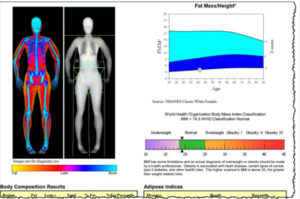
Why you need to track weight loss with body composition testing
Tracking body composition testing is crucial when losing weight to make sure you are losing fat and maintaining muscle.

Your gut microbiome is a vast community of trillions of bacteria living in your digestive tract. These bacteria play a vital role in your health, from digestion to immunity and even brain function.
This community includes:
A healthy microbiome keeps this balance in check, preventing overgrowth of harmful species and allowing beneficial bacteria to thrive.
A diverse microbiome (many different types of bacteria) is healthier and more resilient. It helps:
Enter Prebiotics: The Food for Your Microbes
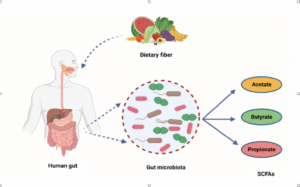
Prebiotics are special types of soluble fiber that your body can’t digest — but your gut bacteria can! They ferment these fibers and turn them into short chain fatty acids.
Short-Chain Fatty Acids (SCFAs) (postbiotics)
The most important SCFAs include:
These are like fuel for your gut lining and are crucial for keeping you healthy.

The Power of Butyrate & SCFAs
When your gut bacteria make SCFAs from prebiotic foods, your body benefits in big ways:
Gut Health
Immune Health
Brain & Mood
Metabolic Health

When your diet is low in fiber and prebiotics, your good gut bacteria don’t have the fuel they need to thrive. Here’s what can happen:
1. Starvation of Good Bacteria
Without prebiotics, beneficial bacteria begin to die off or decline in numbers. This reduces microbiome diversity and weakens the overall ecosystem of your gut.
2. Rise of Pathobionts
Opportunistic bacteria (pathobionts) may start to overgrow in the absence of competition from helpful species. These bacteria can produce harmful byproducts that irritate the gut lining and trigger immune responses.
3. Mucus Layer Degradation
Certain bacteria, when deprived of dietary fiber, begin to feed on the mucus layer that protects the gut lining. This thins the barrier that separates your immune system from the contents of your intestines.
4. Leaky Gut (Increased Intestinal Permeability)
As the mucus layer is eroded and butyrate levels drop, the tight junctions between intestinal cells weaken. This allows undigested food particles, toxins, and bacteria to “leak” into the bloodstream — a condition known as leaky gut.
5. Systemic Inflammation
The immune system reacts to these foreign invaders, triggering chronic low-grade inflammation throughout the body. Over time, this can contribute to:

In addition to a low fiber diet, there are many other causes of dysbiosis such as:
Maintaining a healthy gut microbiome is very important. Not doing so leads to dysbiosis and chronic low grade inflammation which can present as a broad range of diseases, including autoimmune disorders, skin conditions and metabolic disease.
All materials contained in this blog post are for informational purposes only and should not be construed as medical advice. Please consult with your physician concerning any and all medical questions and/or problems.
If you would like to become a member of Marathon Direct Primary Care, click the link below to be taken to the membership sign up page where you can learn more.
Tracking body composition testing is crucial when losing weight to make sure you are losing fat and maintaining muscle.
Maintaining a healthy gut microbiome is very important. Not doing so leads to dysbiosis and chronic low grade inflammation which can present as a broad range of diseases,

Testosterone replacement therapy in men can help with clinically low testosterone by improving energy, mood, muscle mass, bone density, and sexual health. It must be carefully monitored to balance effectiveness with safety, ensuring treatment is tailored to each individual’s needs.